

Flood damage is often associated with dramatic events like severe storms or plumbing failures. In many cases, though, water intrusion begins in subtle and unexpected ways. Small gaps around roof flashing, unsealed joints near windows, foundation hairline cracks, or blocked exterior drains can allow moisture to enter gradually. These slow leaks may not attract attention at first, yet they can create significant issues over time.
The danger lies in how quietly water moves once it finds an entry point. Before any visible pooling appears, moisture can travel through insulation, framing, and subfloor layers. By the time stains show up on ceilings or walls, the underlying structure may already be compromised. A persistent musty smell or slight paint discoloration often signals that water has been present longer than suspected.
Window wells are a common source of unnoticed intrusion. When they lack proper covers or are surrounded by poorly graded soil, they can collect rainwater and runoff. As water accumulates, it may seep through small imperfections in basement walls. Once inside, moisture can spread beneath flooring systems or inside wall cavities, creating conditions that encourage mold growth and material deterioration. Installing well-fitted covers and ensuring proper drainage around the home can significantly reduce this risk.
Exterior wall systems can also allow hidden seepage. Brick, masonry, and stucco surfaces naturally develop small cracks over time. In regions with seasonal temperature swings, these openings can expand, making it easier for water to pass through. Interior warning signs often appear only after repeated exposure has weakened the materials behind the surface. Regular inspection and timely repairs can stop minor flaws from turning into extensive damage.
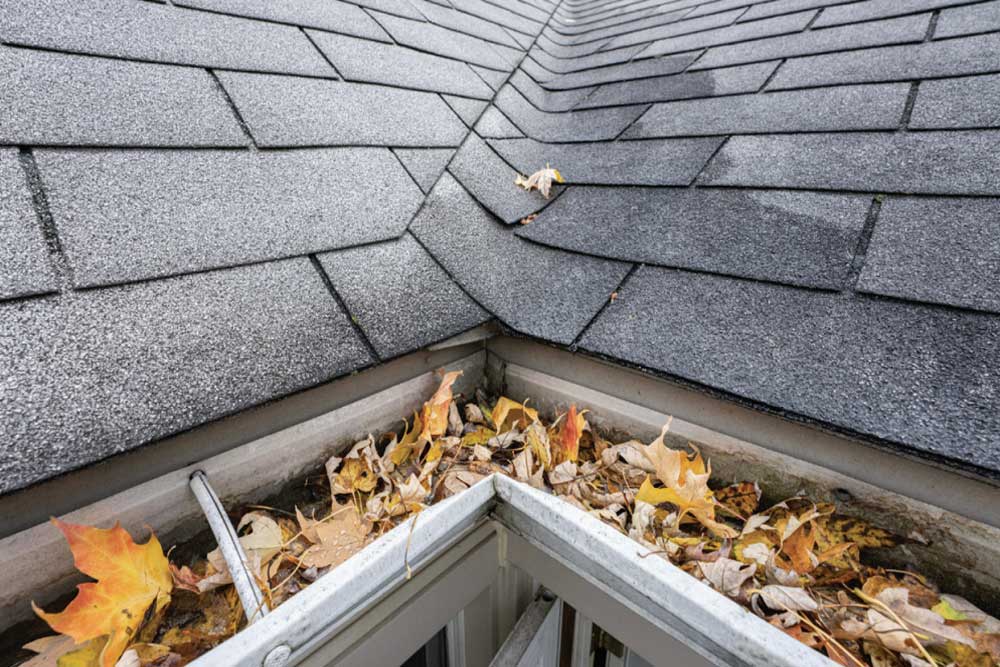
Roof drainage systems play an equally important role. Gutters that overflow or downspouts that discharge too close to the foundation can direct water back toward the structure. As soil becomes saturated, pressure builds against foundation walls and forces moisture inward. Keeping gutters clean and extending downspouts away from the home are straightforward maintenance steps that help prevent long term problems.
Effective prevention relies on layered protection. Proper grading that slopes away from the house, functional drainage systems, waterproof membranes, and sump pumps all contribute to managing water before it enters living spaces. When multiple safeguards work together, the chance of unnoticed flooding drops considerably.
Overlooking minor leaks can lead to consequences that extend beyond cosmetic damage. Continued moisture exposure can promote mold growth, weaken framing, and contribute to shifting foundations that affect doors and floors. What starts as a barely noticeable entry point can evolve into a costly repair if not addressed early.
For a closer look at where flooding really begins in the home and practical ways to guard against it, explore the companion resource from Window Well Experts, a supplier of egress window wells.
